Перейти к основному содержимому
  • Font size:

  • Font:

  • Color scheme:

  • Letter spacing:

  • Images:

Turn off

  • Get tickets
    • >
  • Repertoire
  • Troupe
  • News
  • Video
  • Festivals
  • About
    • History
    • Administration
    • >
  • Contacts
  • Русская версия
  • >
Buy tickets
    • Get tickets
      • >
    • Repertoire
    • Troupe
    • News
    • Video
    • Festivals
    • About
      • History
      • Administration
      • >
    • Contacts
    • Русская версия
    • >
Book tickets: 8 (391) 227-86-97
Online tickets info

For the visually impaired

Homepage / Repertoire

SPARTACUS

Aram Khachaturian
Ballet in three acts
SPARTACUS
  • About
  • Production
  • Cast
  • About the play
  • Libretto
    • Musical director and conductor — Dmitry Yurovsky
    • Conductor — Eldar Nagiyev
    • Choreographer, author of the libretto — People's artist of the USSR Yuri Grigorovich
    • Production designer, author of set design and costumes — People's Artist of the USSR Simon Virsaladze
    • Artist Assistant — Dmitry Cherbadzhi
    • Lighting designer — Nikita Evdokimov
    • Make-up artist — Natalya Bragina
    • Scriptwriter — Nikolay Volkov
    • Choirmaster — Dmitry Hodosh
    • Ballet tutor — People's Artist of Russia Anna Zharova, Olga Akinfeeva, Olesya Aldonina, Honored actress of Russia Vera Surovtseva, People's artist of Russia Natalya Khakimova, Valery Guklenkov, Demid Zykov, Ivan Karnaukhov
    • Guest tutor — People's Artist of Russia Maria Alexandrova, Honored Artist of Russia Mikhail Lifentsev, Mikhail Lobukhin
    • Responsible accompanist — Olga Karnakova
    • Ballet accompanist — Andrey Lukyanets
    • Assistant director — Alexei Zevin, Alena Maryasova
  • The premiere took place on June 12, 2007, and was renewed on October 18, 2024.

    Yury Grigorovich's libretto with use of the scenario of N. Volkov based on the novel R. Dzhovanyoli and to plots of ancient history.

    ← Go back to plays

    • Постер видеоролика
    • Постер видеоролика
    • Постер видеоролика
    • Постер видеоролика
    • Постер видеоролика
    • Постер видеоролика
    • Постер видеоролика
    • Постер видеоролика
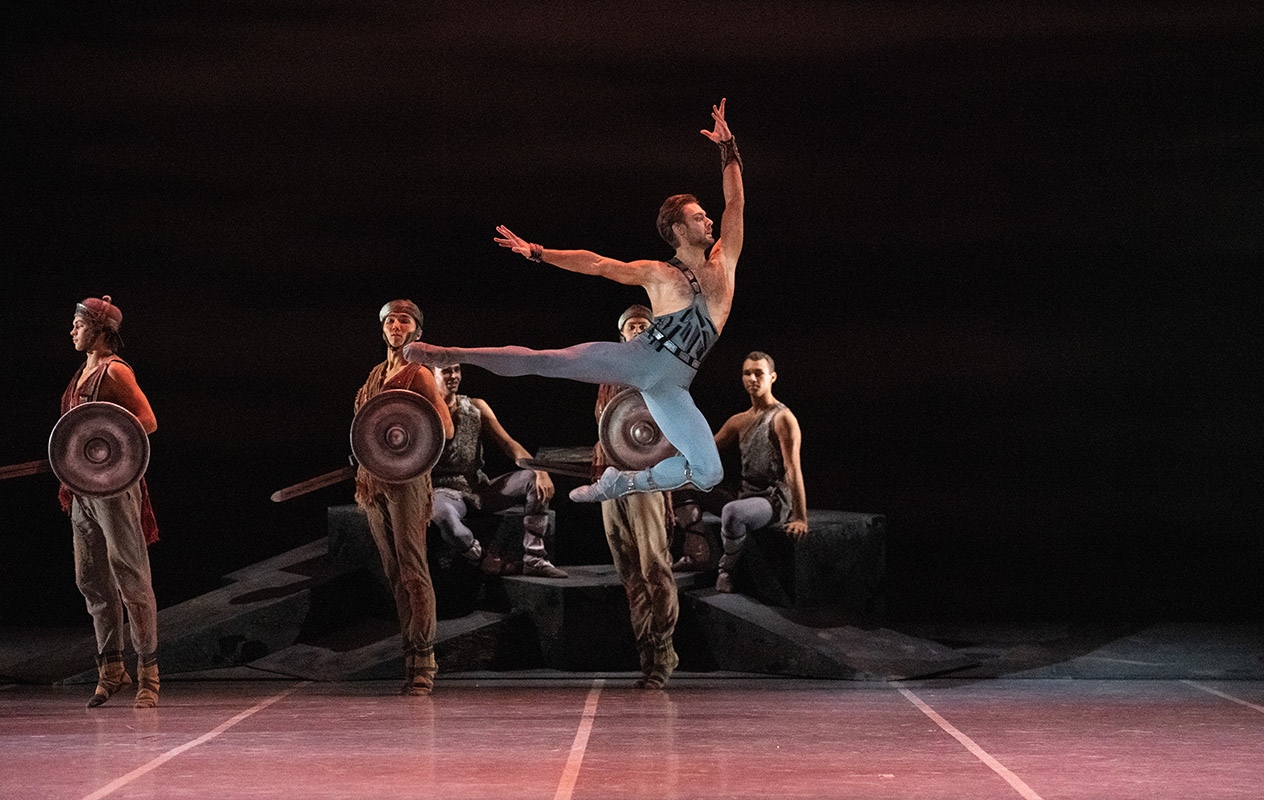
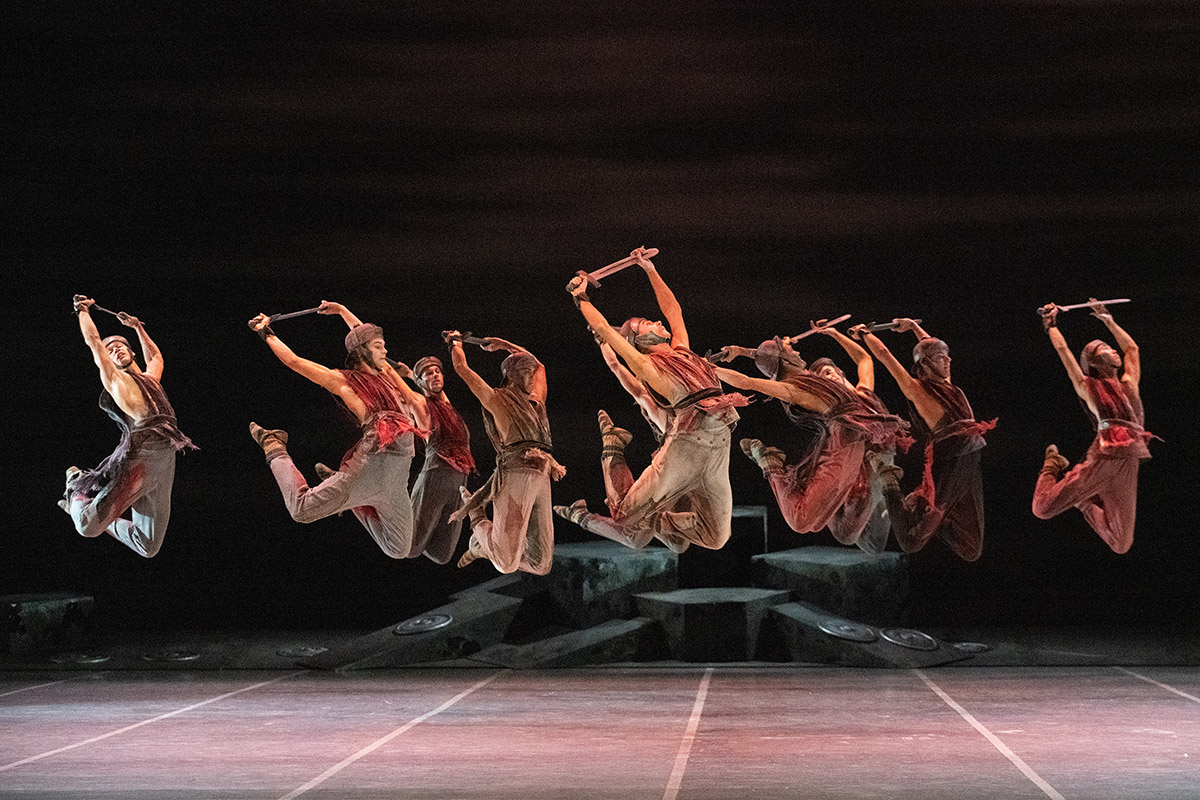
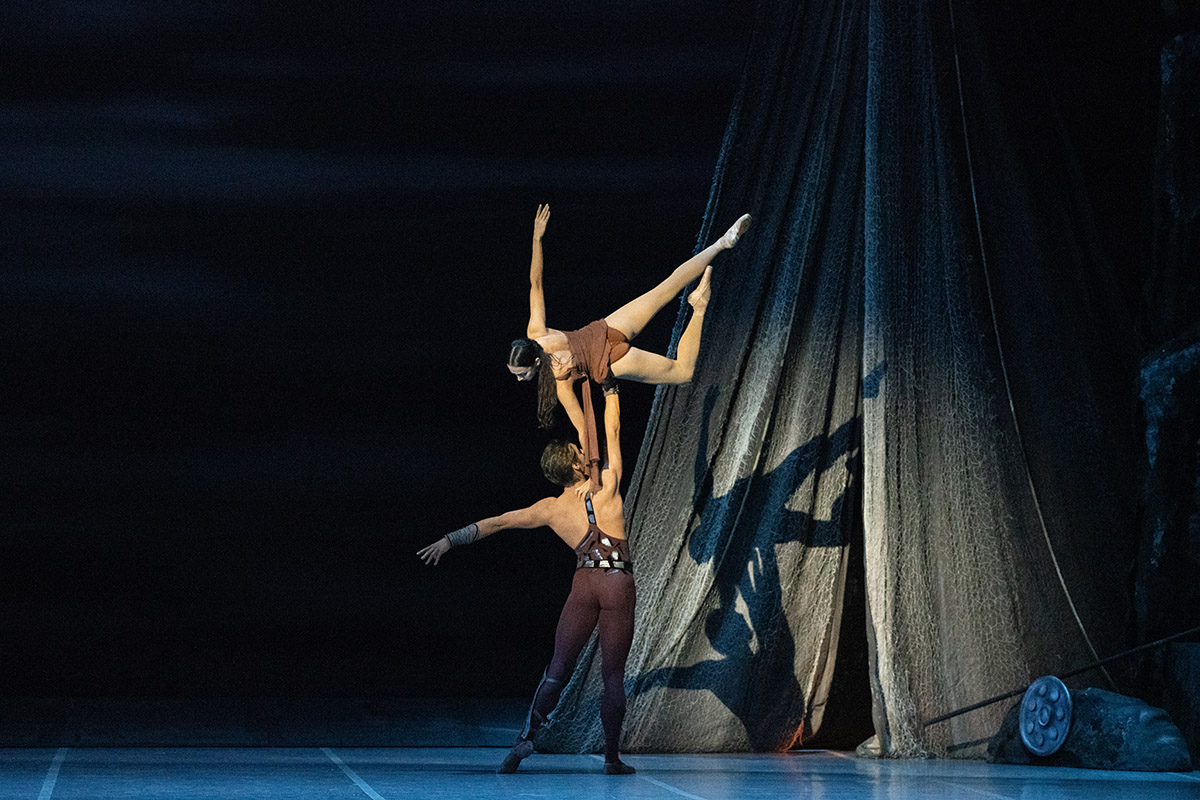
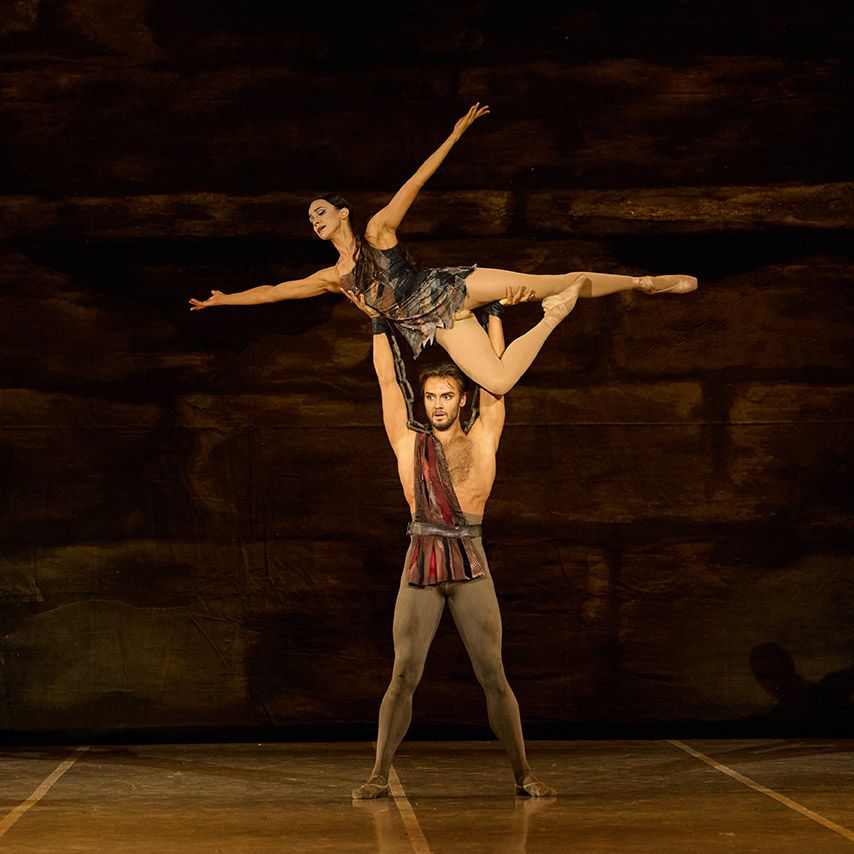
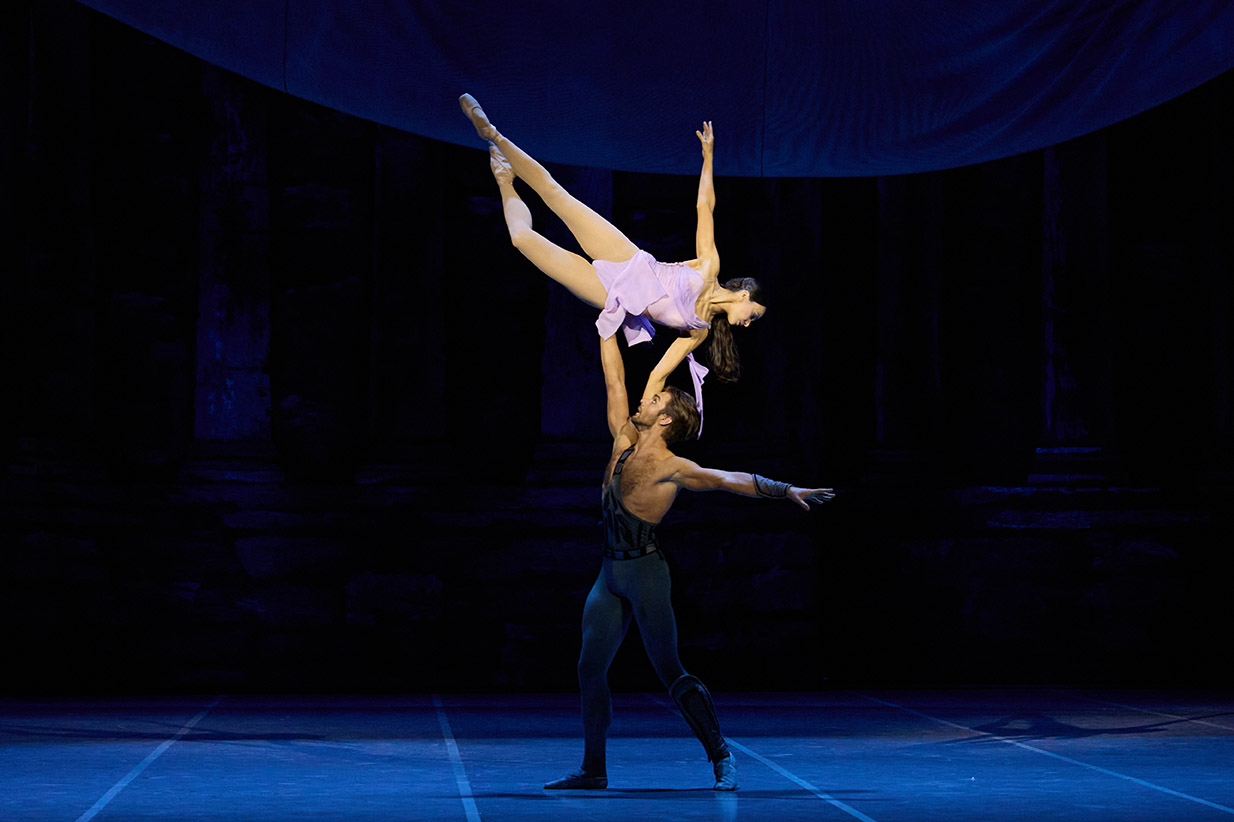
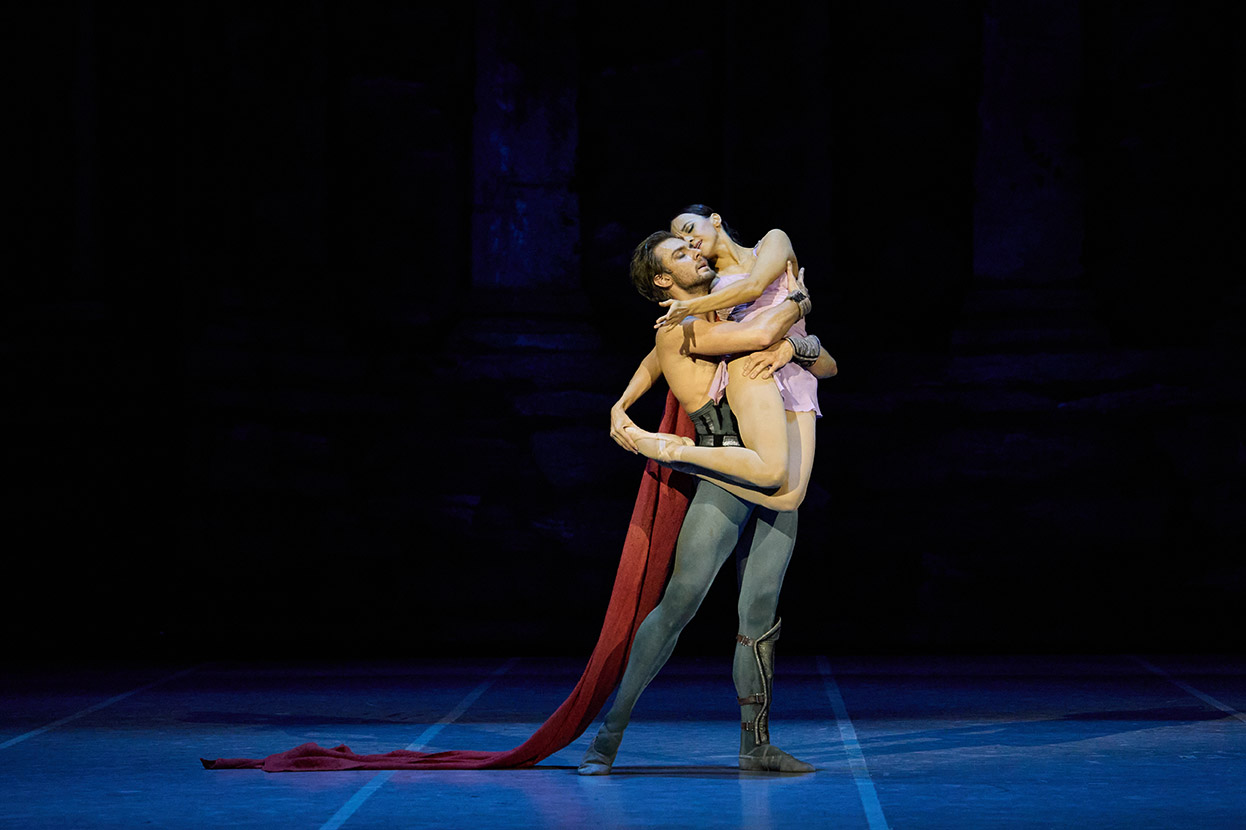
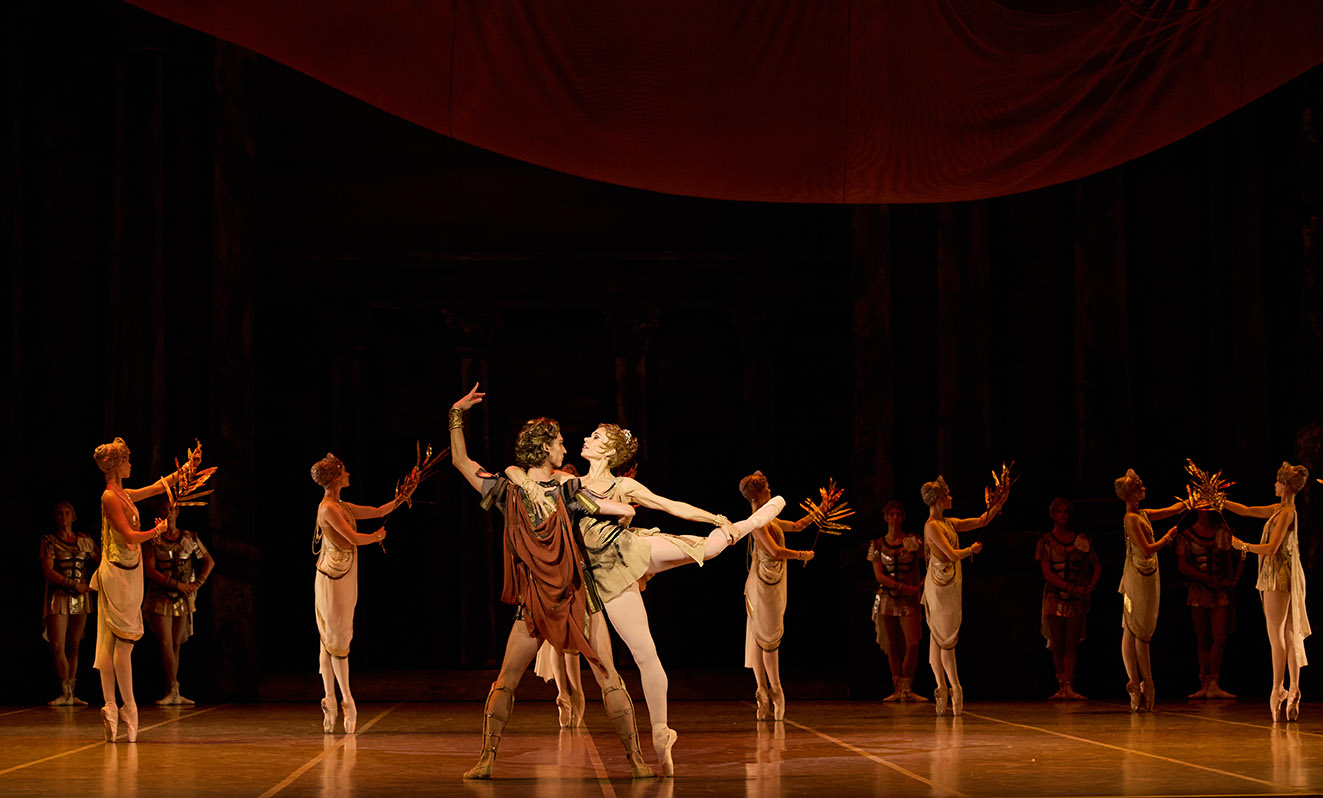
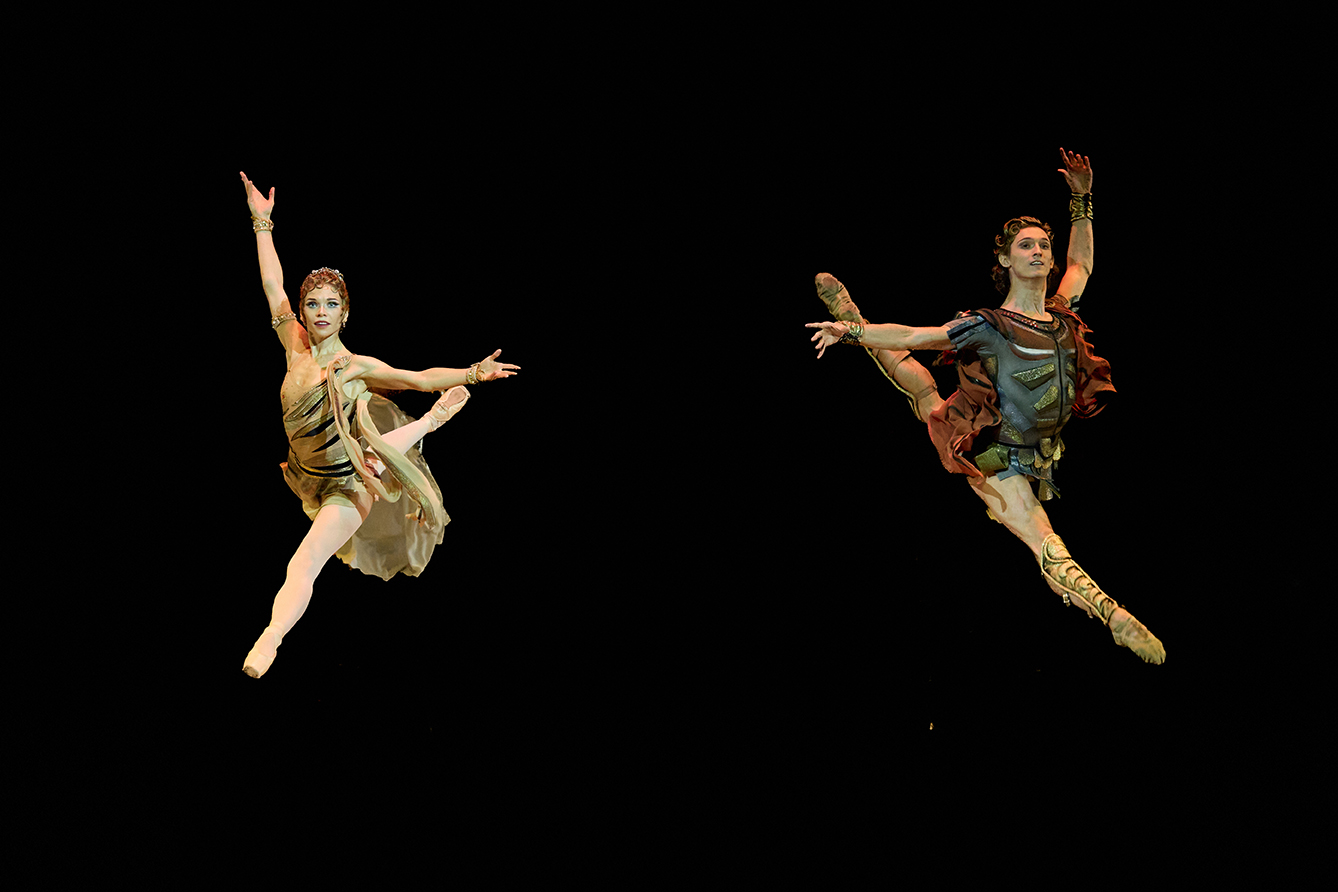
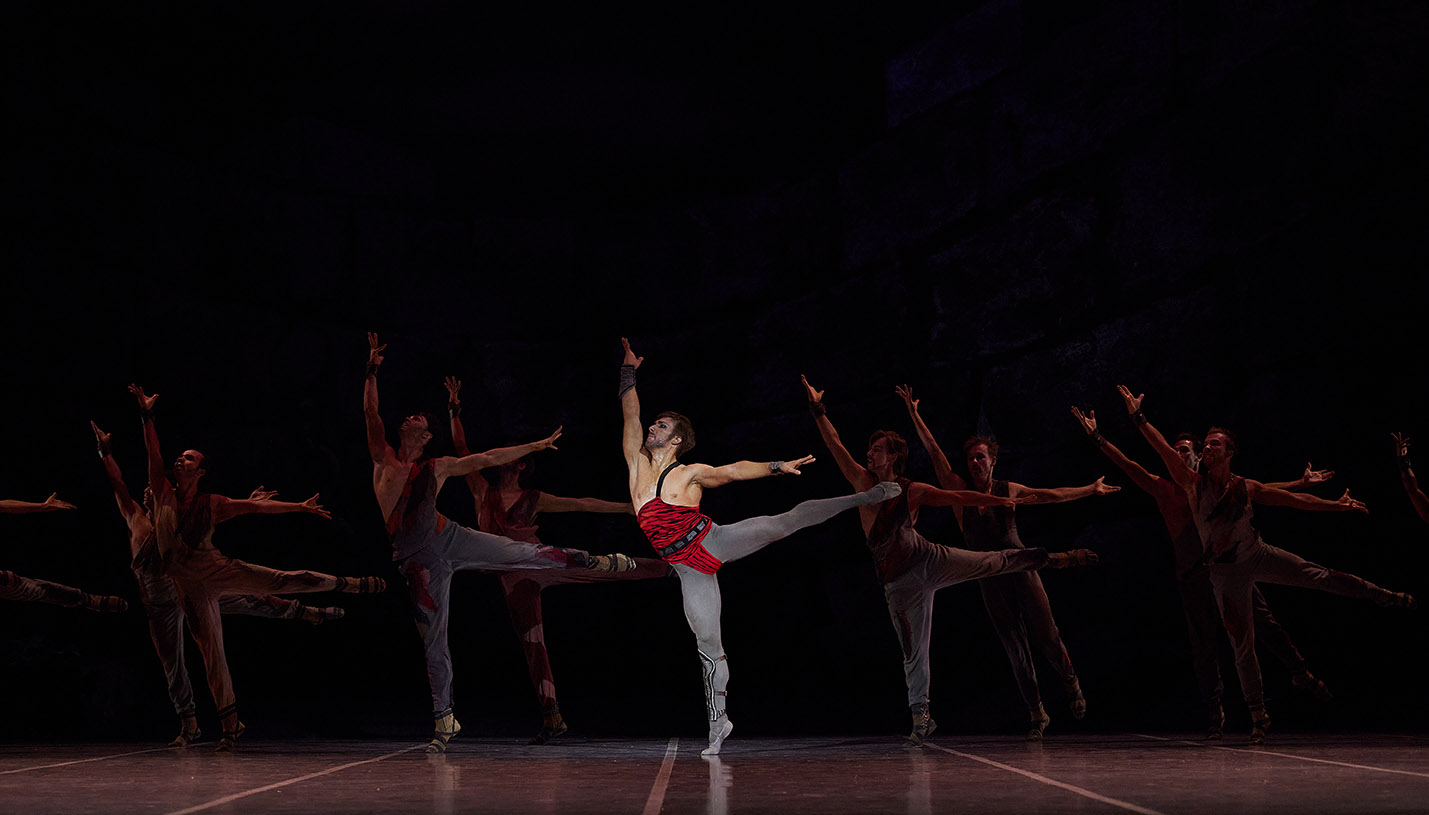
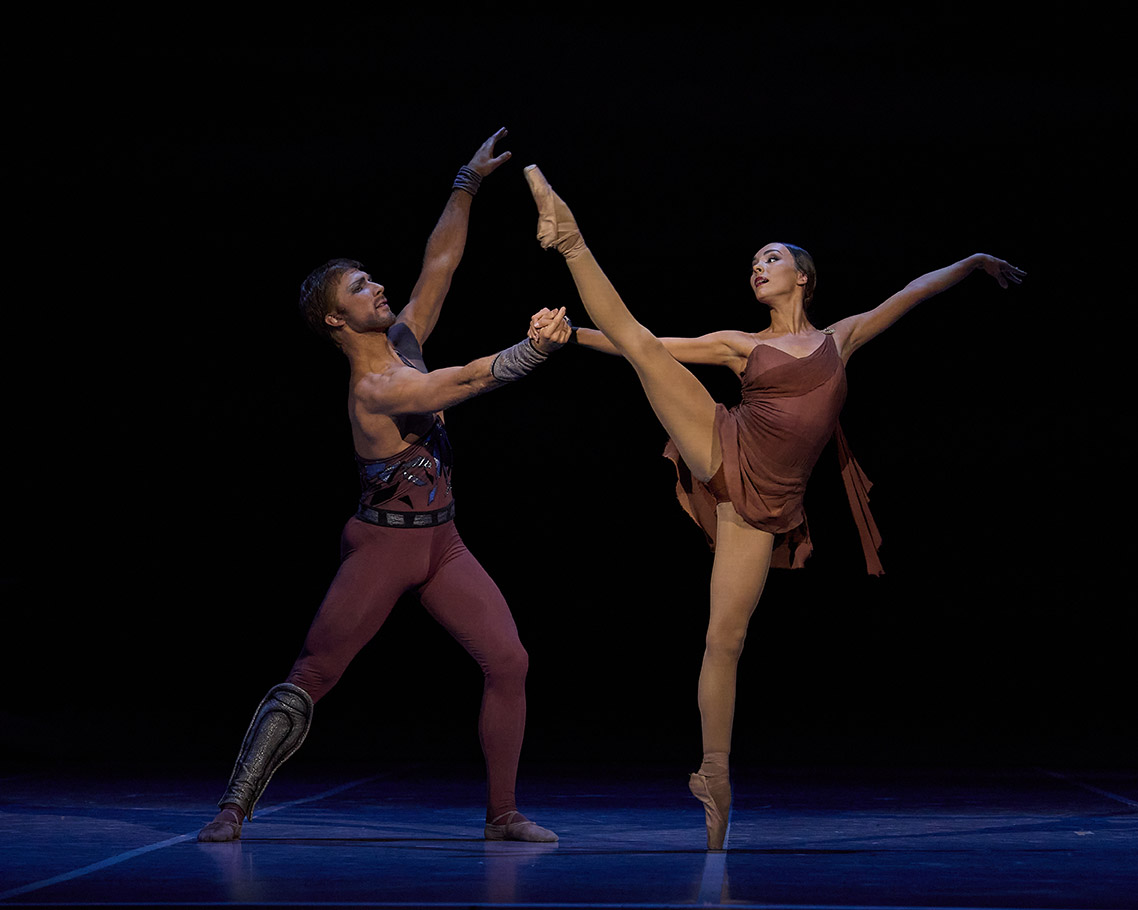
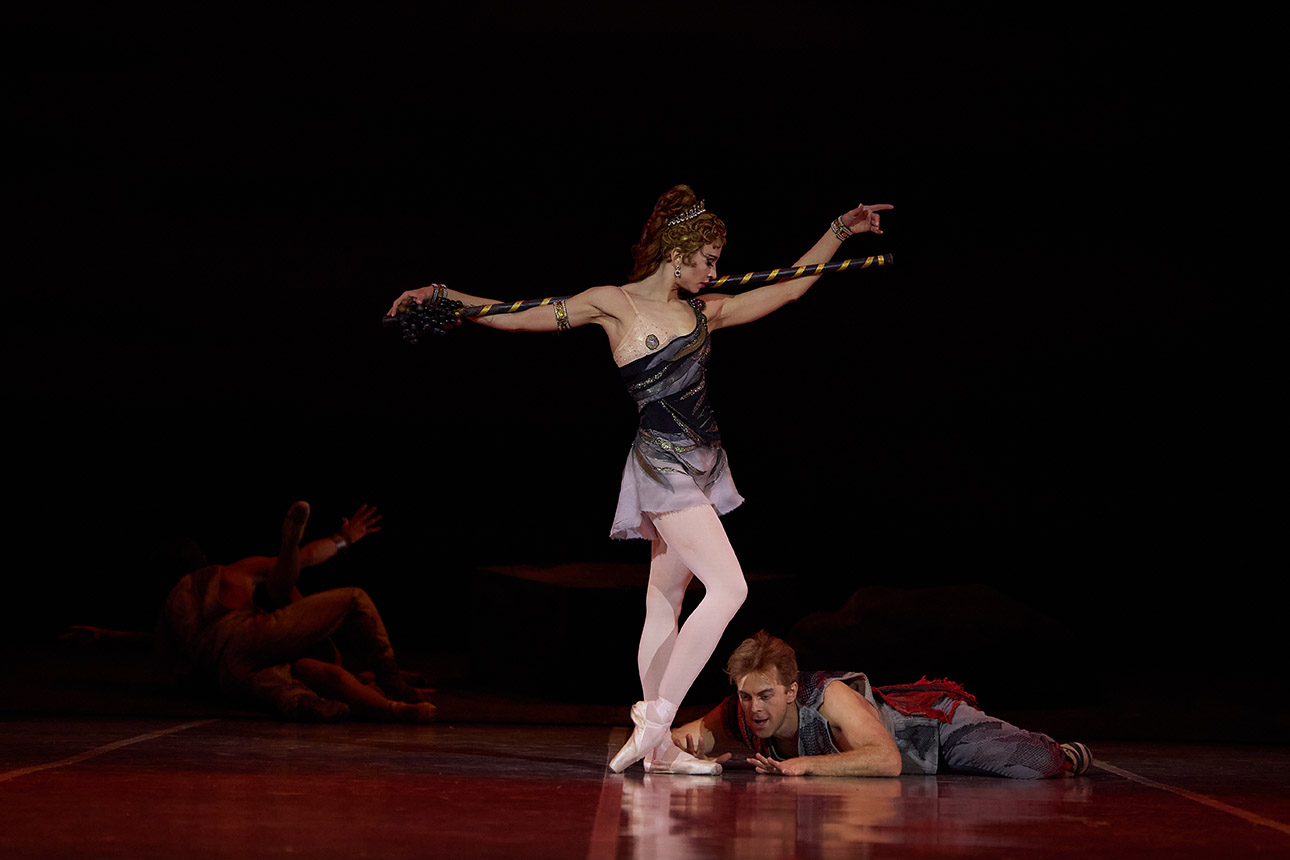
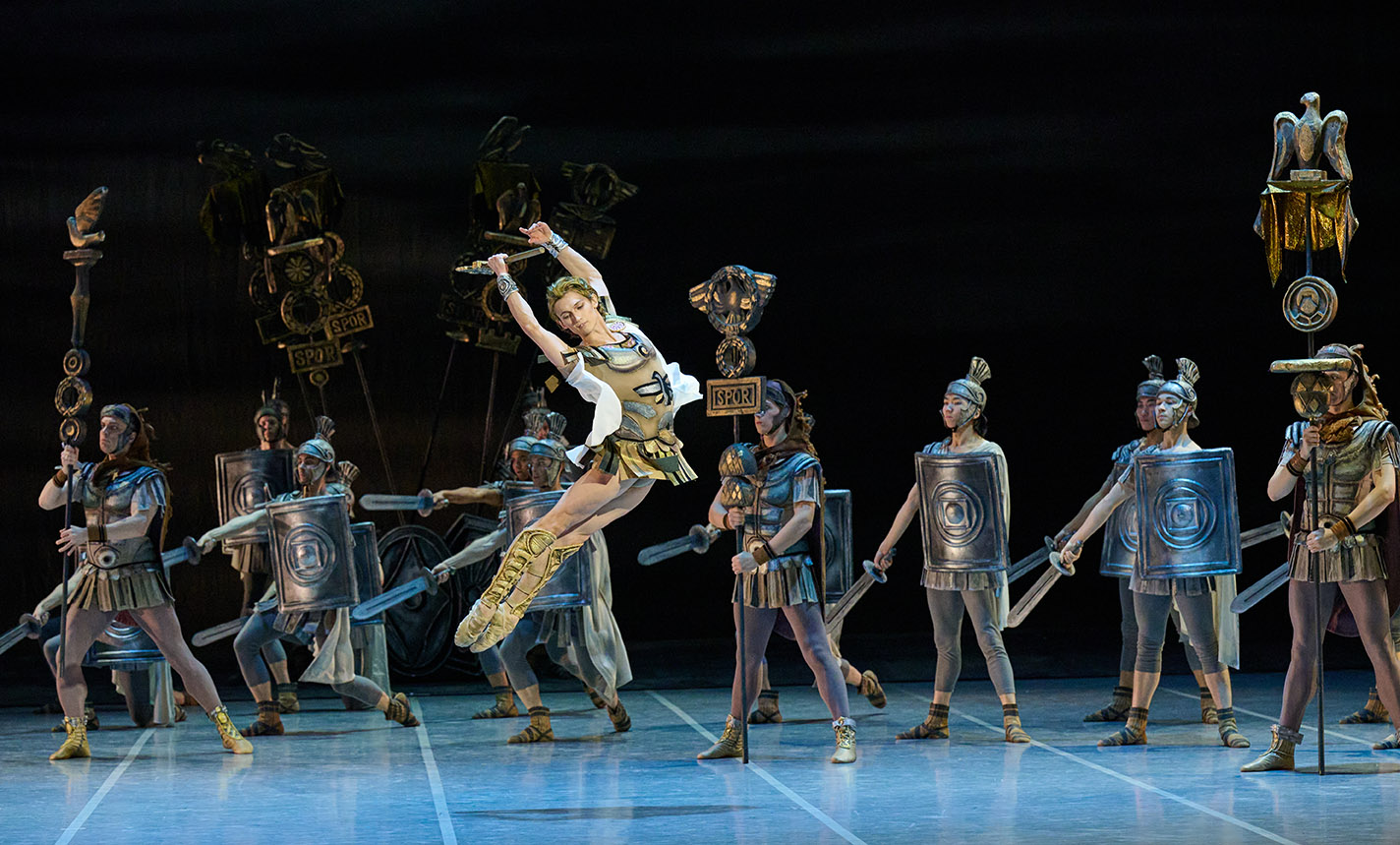
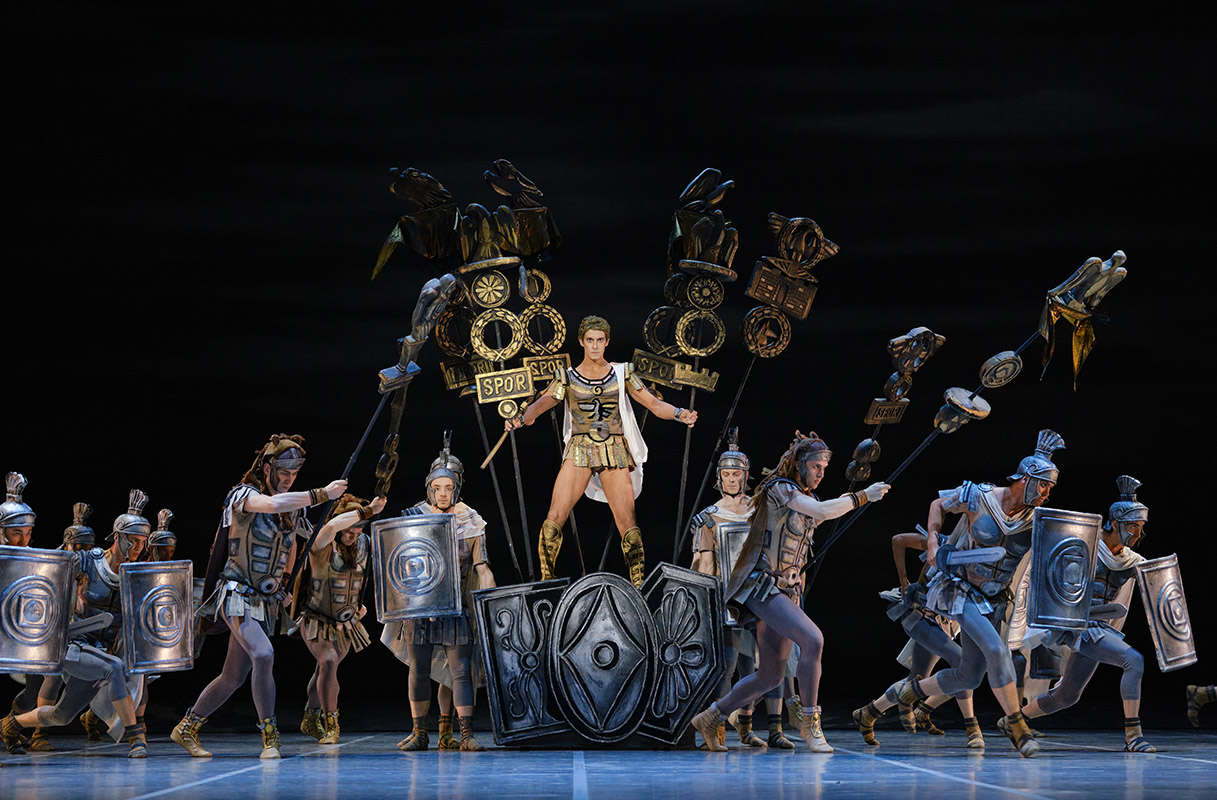
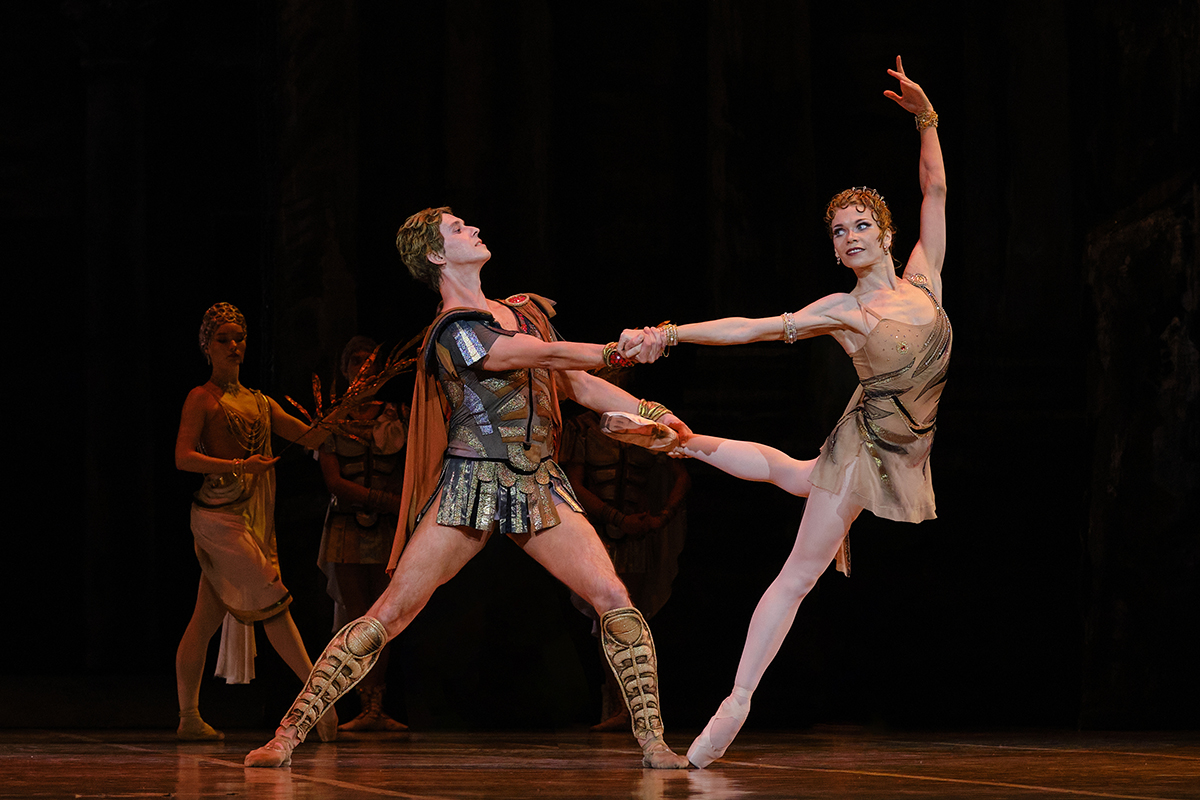
    • Фото из спектакля SPARTACUS
    • Фото из спектакля SPARTACUS
    • Фото из спектакля SPARTACUS
    • Фото из спектакля SPARTACUS
    • Фото из спектакля SPARTACUS
    • Фото из спектакля SPARTACUS
    • Фото из спектакля SPARTACUS
    • Фото из спектакля SPARTACUS
    • Фото из спектакля SPARTACUS
    • Фото из спектакля SPARTACUS
    • Фото из спектакля SPARTACUS
    • Фото из спектакля SPARTACUS
    • Фото из спектакля SPARTACUS
    • Фото из спектакля SPARTACUS
    • Фото из спектакля SPARTACUS
    • Фото из спектакля SPARTACUS
    • Фото из спектакля SPARTACUS
    • Фото из спектакля SPARTACUS
    • Фото из спектакля SPARTACUS
    • Фото из спектакля SPARTACUS
    • Фото из спектакля SPARTACUS
    • Фото из спектакля SPARTACUS
    • Фото из спектакля SPARTACUS
    • Фото из спектакля SPARTACUS
    • Фото из спектакля SPARTACUS
    • Фото из спектакля SPARTACUS
    • Фото из спектакля SPARTACUS
    • Фото из спектакля SPARTACUS
    • Фото из спектакля SPARTACUS
    • Фото из спектакля SPARTACUS
  • Cast

    Conductor
    Eldar Nagiyevдебют
    Spartacus
    George Bolsunovskyдебют
    Grigory Botenkovдебют
    Matvey Nikishaevдебют
    Roman Polkovnikovдебют
    Phrygia
    Ekaterina Bulgutovaдебют
    Olga Grishenkovaдебют
    Ksenia Krentovskayaдебют
    Elena Mikheechevaдебют
    Crassus
    Yury Kudryavtsevдебют
    Kirill Litvinenkoдебют
    Matvey Nikishaevдебют
    Aegina
    Olesya Aldoninaдебют
    Anna Kudryavtseva (Fedosova)дебют
    Alisa Shaninaдебют
    Gladiator
    Ruslan Abolmasovдебют
    Kirill Bulychevдебют
    Nikolay Mashukovдебют
    Olexiy Skalyunдебют
    Scene of decomposition (solo)
    Kirill Bulychevдебют
    Daniil Kostylevдебют
    Ilya Haprovдебют
    The Three Shepherds
    Ruslan Abolmasovдебют
    Kirill Bulychevдебют
    Artyom Mazuninдебют
    Nikolay Mashukovдебют
    Olexiy Skalyunдебют
    Bato Tushinovдебют
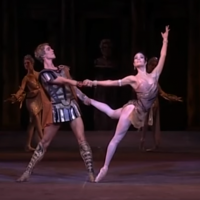
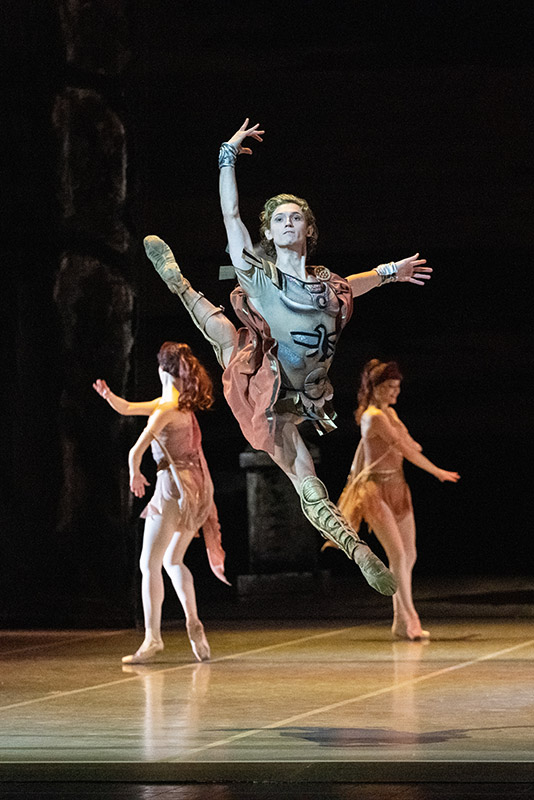
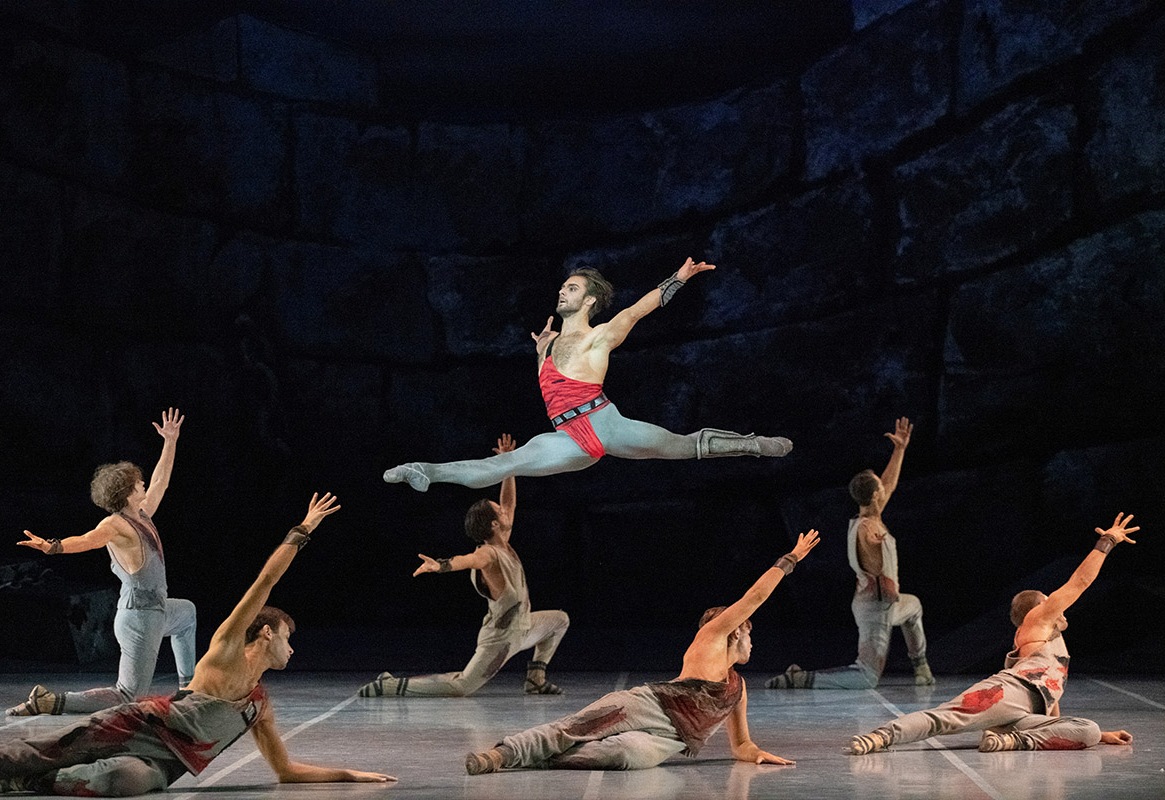
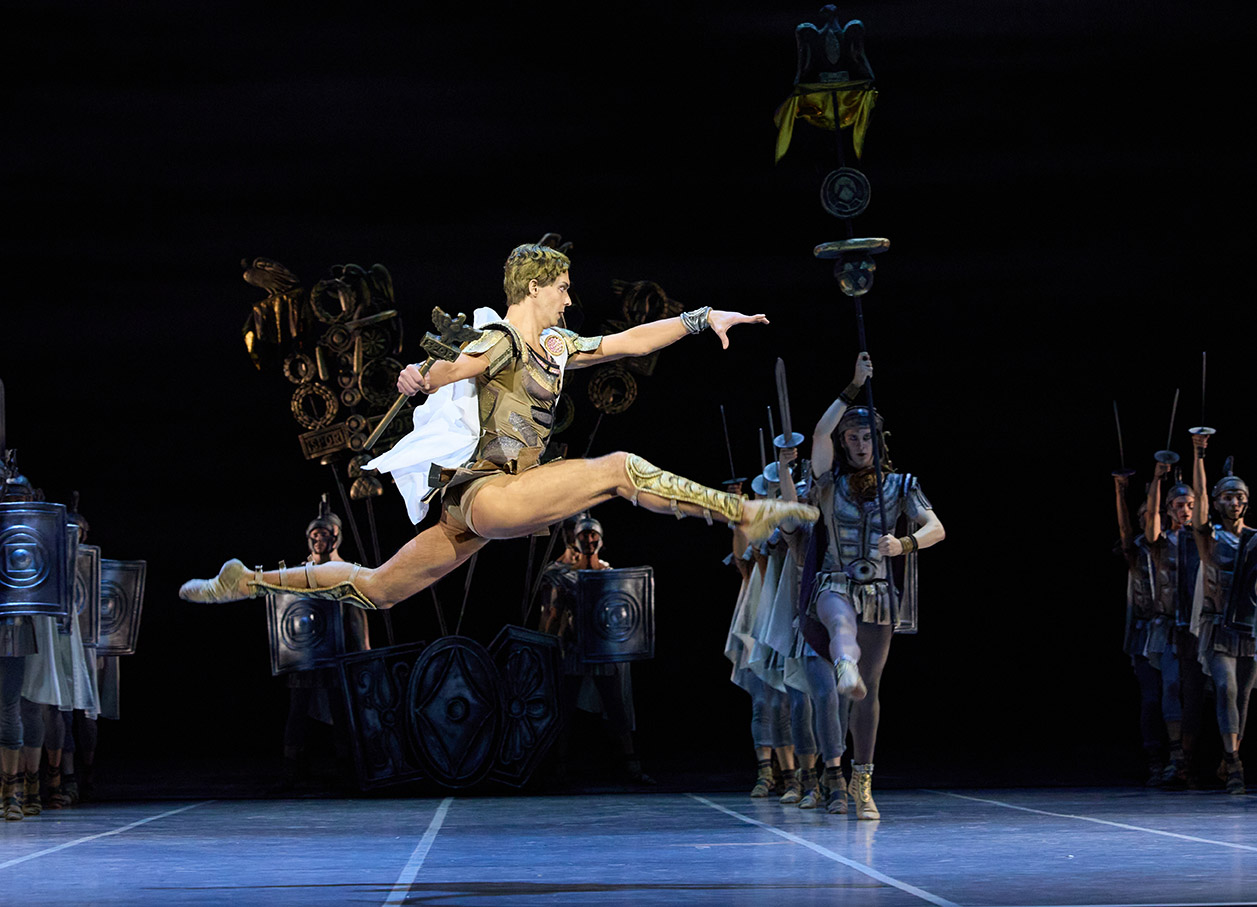
  • A. Khachaturian's ballet narrating about revolt of gladiators and slaves under leadership of the Thracian of Spartacus and defeat of the Roman commander Crassus by his troops is based on original events of history of Rome (the I century BC).

    The antique historian Plutarch in well-known "The chosen biographies" writes about Spartacus, as about "the person, different not only courage and physical force, but on mind and softness of character standing above the situation". And about Crassus that "gloss of his numerous virtues is saddened by only one defect — thirst of a profit, but this defect, having got the best of his other defects, made them less noticeable".

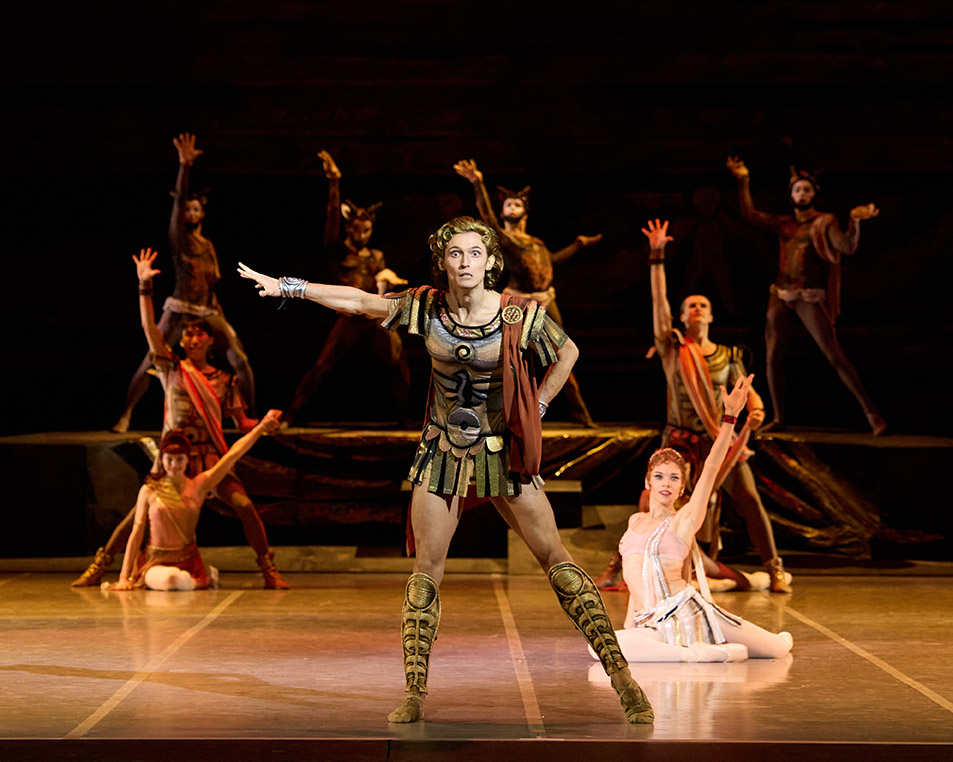
    Such is the characteristic of the main characters and in A. Khachaturian's music, and in the solution of choreographic images in Yu. Grigorovich's ballet. Spartacus is courageous also noble, the idea of freedom defines his life and acts. Crassus is artful and cruel, strives for personal glory and the boundless power of imperial Rome. Spartacus rises against such world order and dies in fight with superior forces of the Roman cohorts of Crassus.

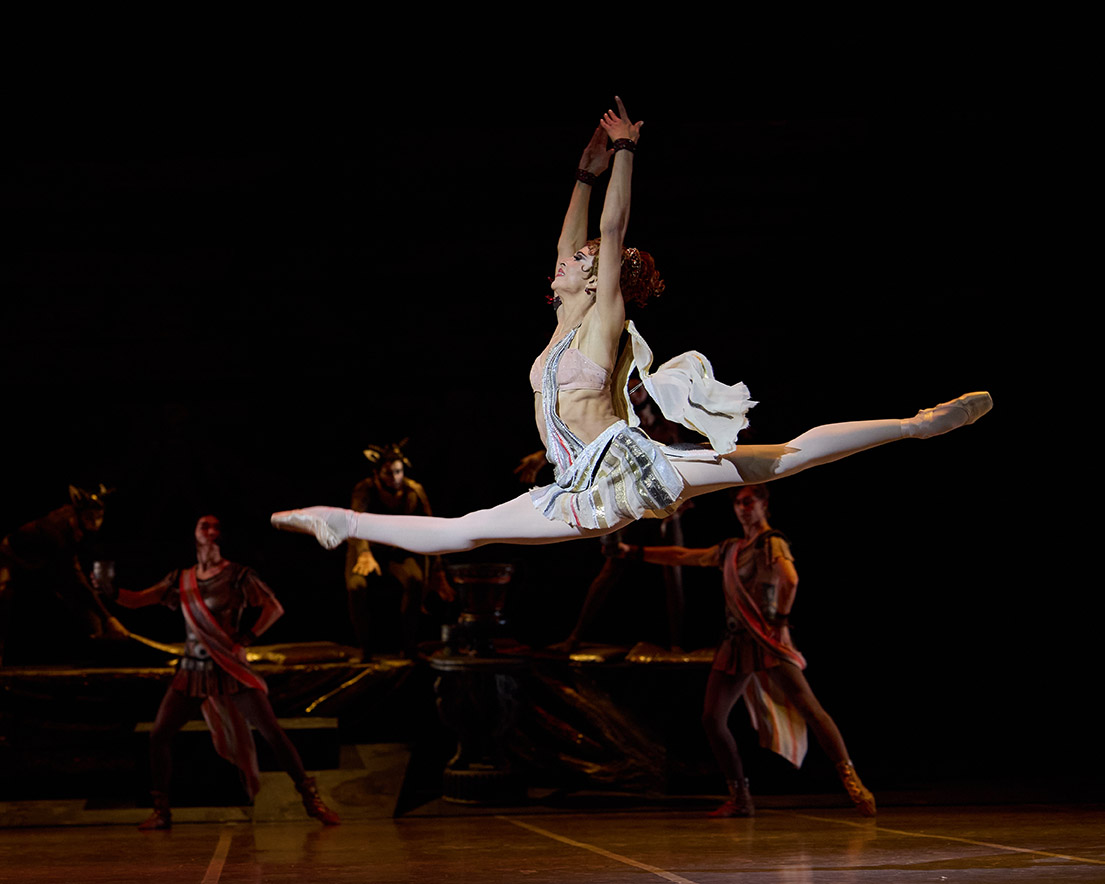
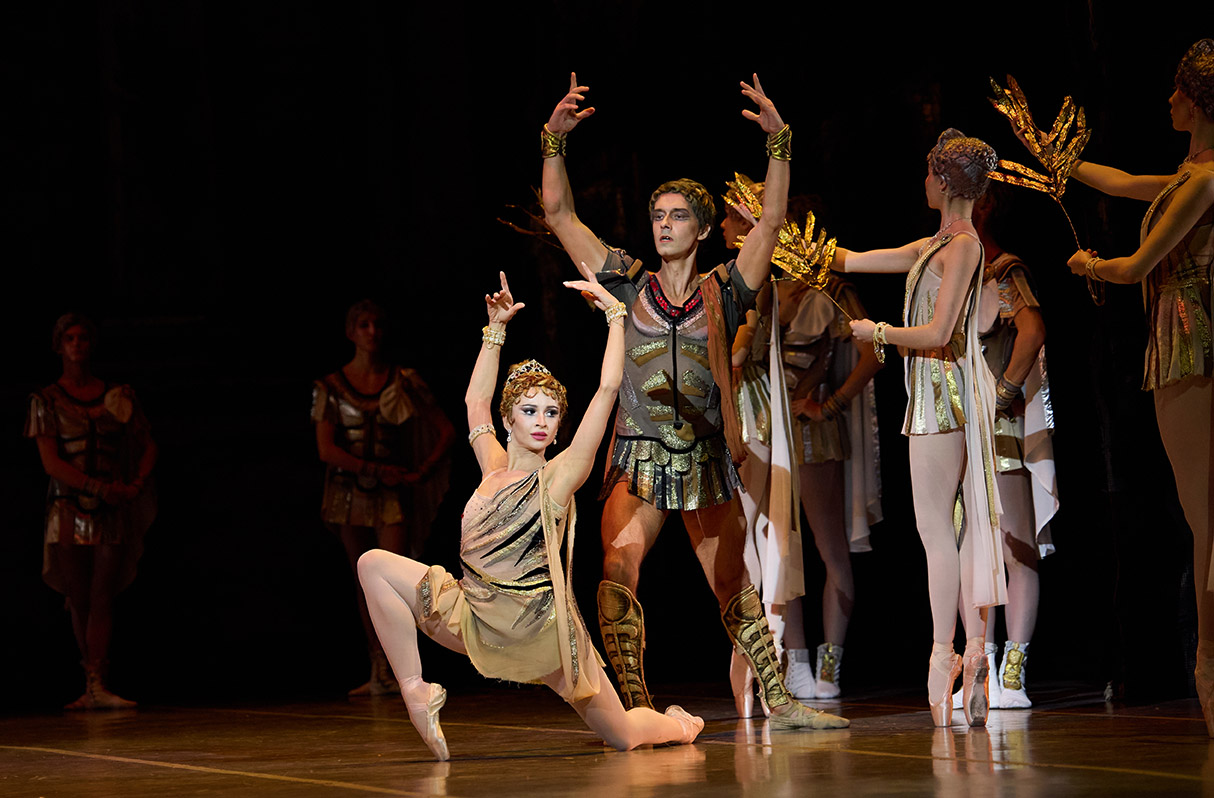
    In the ballet four main characters, four soloists. These are the conflict images of Spartacus and Crassus representing collision of two worlds, and also the loved Phrygia betrayed to Spartacus, and the artful courtesan Aegina, Crassus's accomplice. They are spokesmen of the main thoughts and basic provisions of the ballet.

    Here that the great Italian Giuseppe Garibaldi wrote to the author of the novel Rafaello Giovagnoli on June 26, 1870, having read the book: "... it caused in me feeling of delight and admiration. An image of Spartacus — this Christ propitiator of enemies, you modeled Michelangelo's cutter, and I who received freedom the slave, thank you for it and for those moments of excitement which I endured when reading your book: that I was inspired with wonderful feats a rudiariya, tears irrigated my face. our fellow citizens will hold in remembrance these heroes who all sleep in native to us to the earth where there will be neither gladiators, nor misters any more".

  • THE FIRST ACTION

    The first picture

    "Invasion"

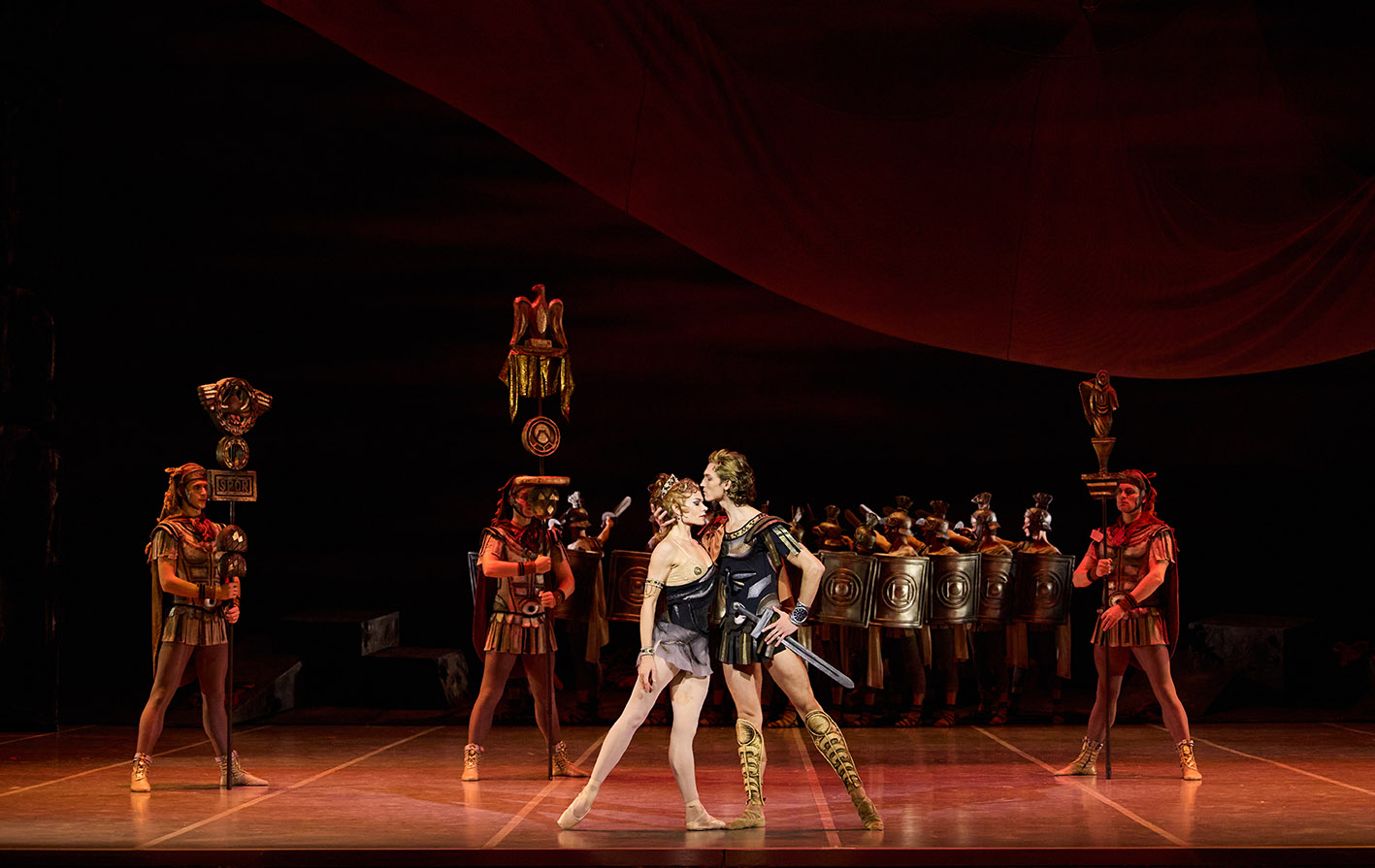
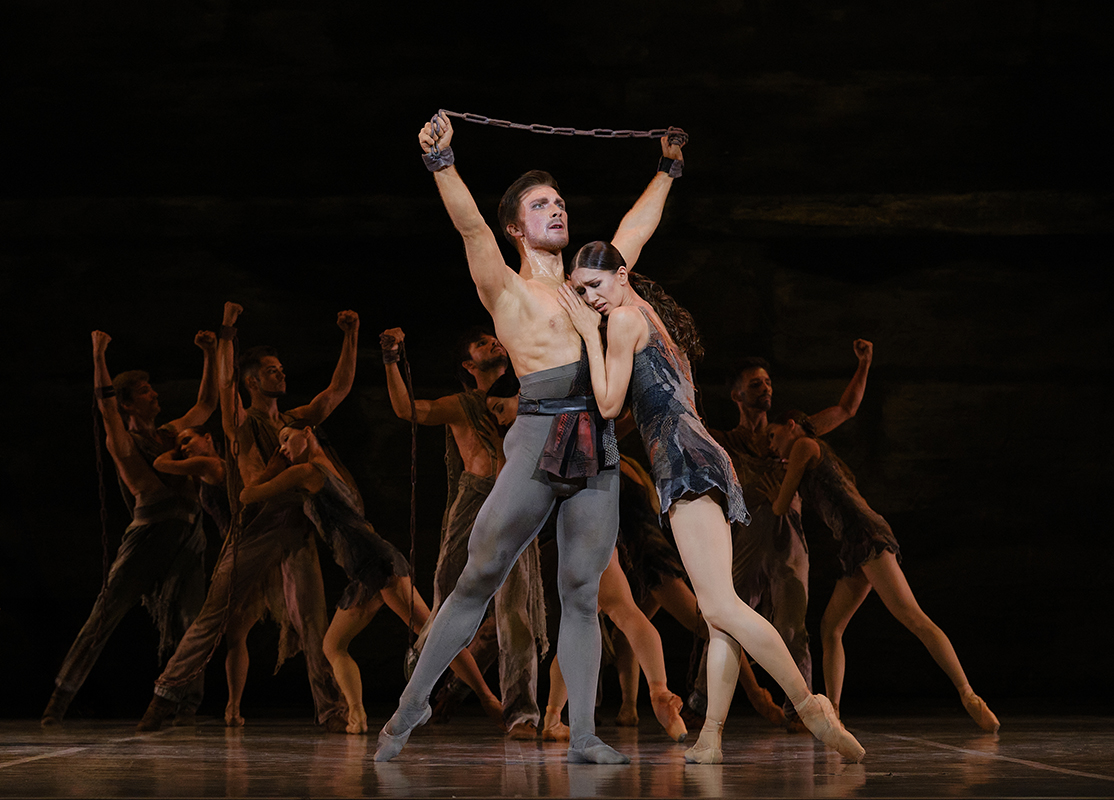
    The military vehicle of imperial Rome, headed by the commander Crassus, conducts the cruel, breaking everything on the way, aggressive approach. Among the captives who are held down by chains turned into slaves — Spartacus and Phrygia.

    Monologue of Spartacus

    He is in powerless despair. The slave who is given birth by the free person, now chained in a chain.

    The second picture

    "Market of slaves"

    Slave traders divide captured men and women for sale to rich Romans. Spartacus is separated from Phrygia.

    Monologue of Phrygia

    There is no measure of her grief. She with horror has a presentiment of the tests of destiny threatening to her.

    Picture third

    "An orgy at Crassus"

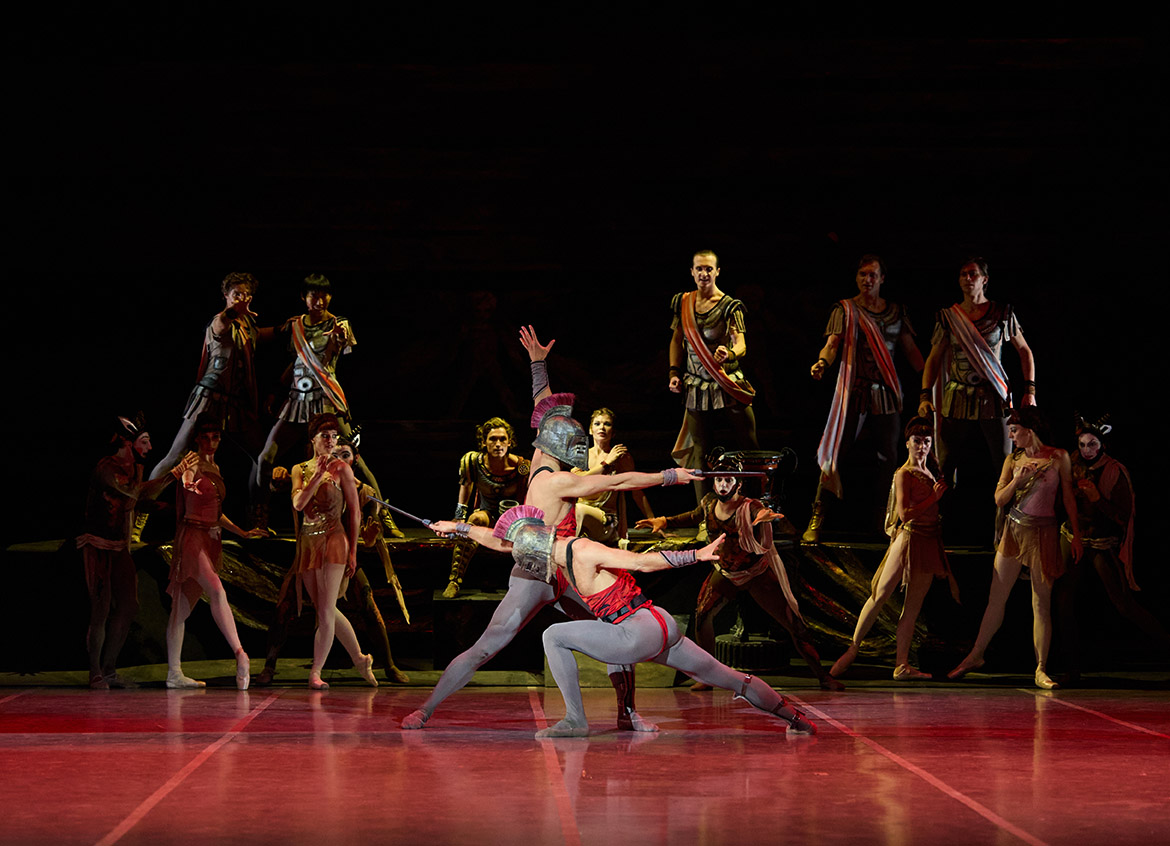
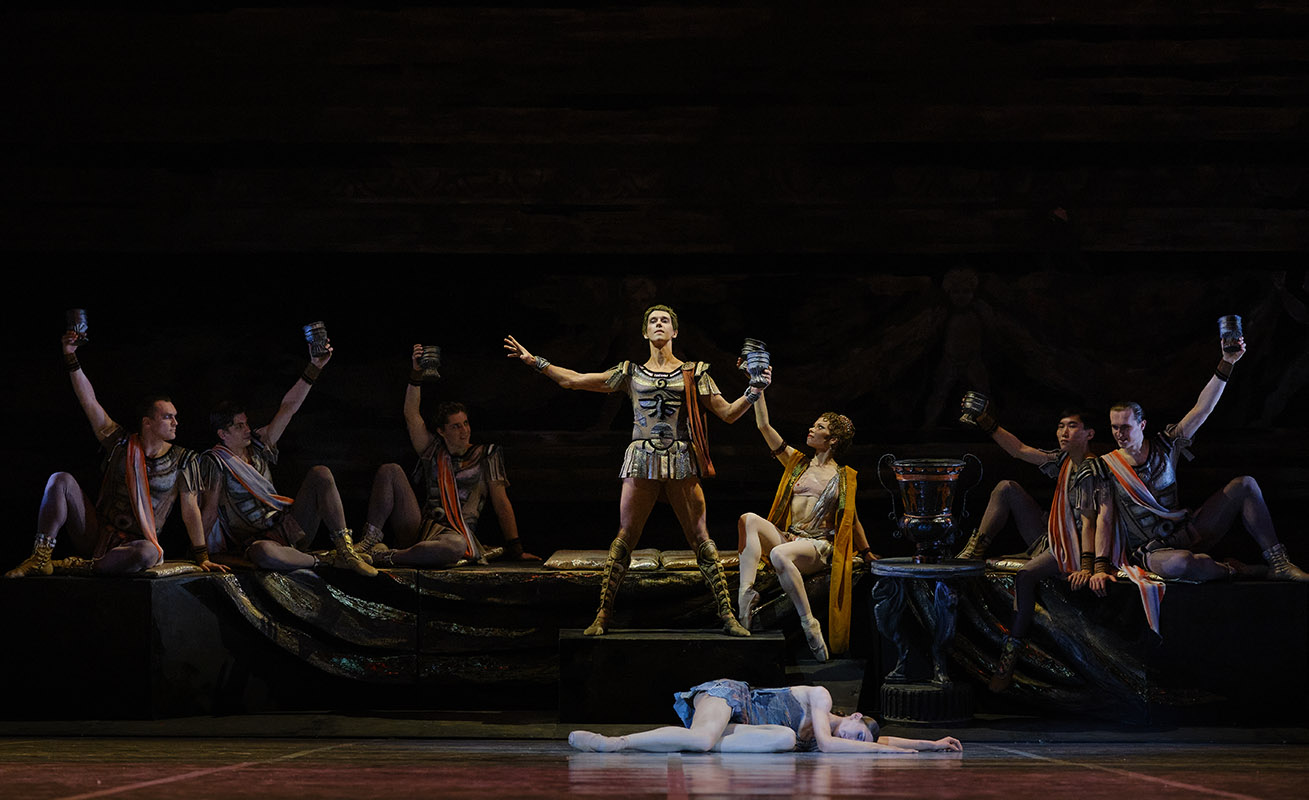
    Mimes and courtesans entertain guests, laughing at Phrygia — the new slave of Crassus. Aegina involves Crassus in violent bacchanal dancing. Crassus intoxicated with wine and passion demands shows. Two gladiators in helmets without eye-sockets not to see each other, have to fight to death. Take off a helmet from the won — it is Spartacus.

    Monologue of Spartacus

    He is the involuntary murderer of the companion. The tragedy of despair awakens in it anger and a protest. There are no more than forces to suffer bondage. A choice one — freedom.

    Picture fourth

    "Barracks of gladiators"

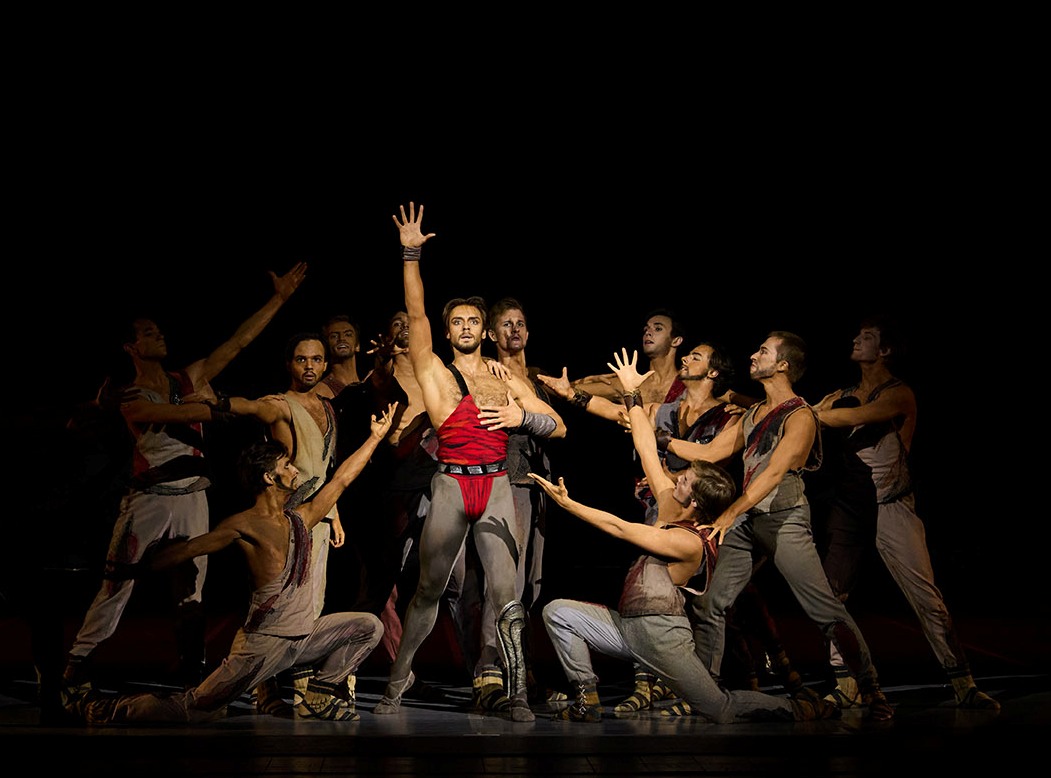
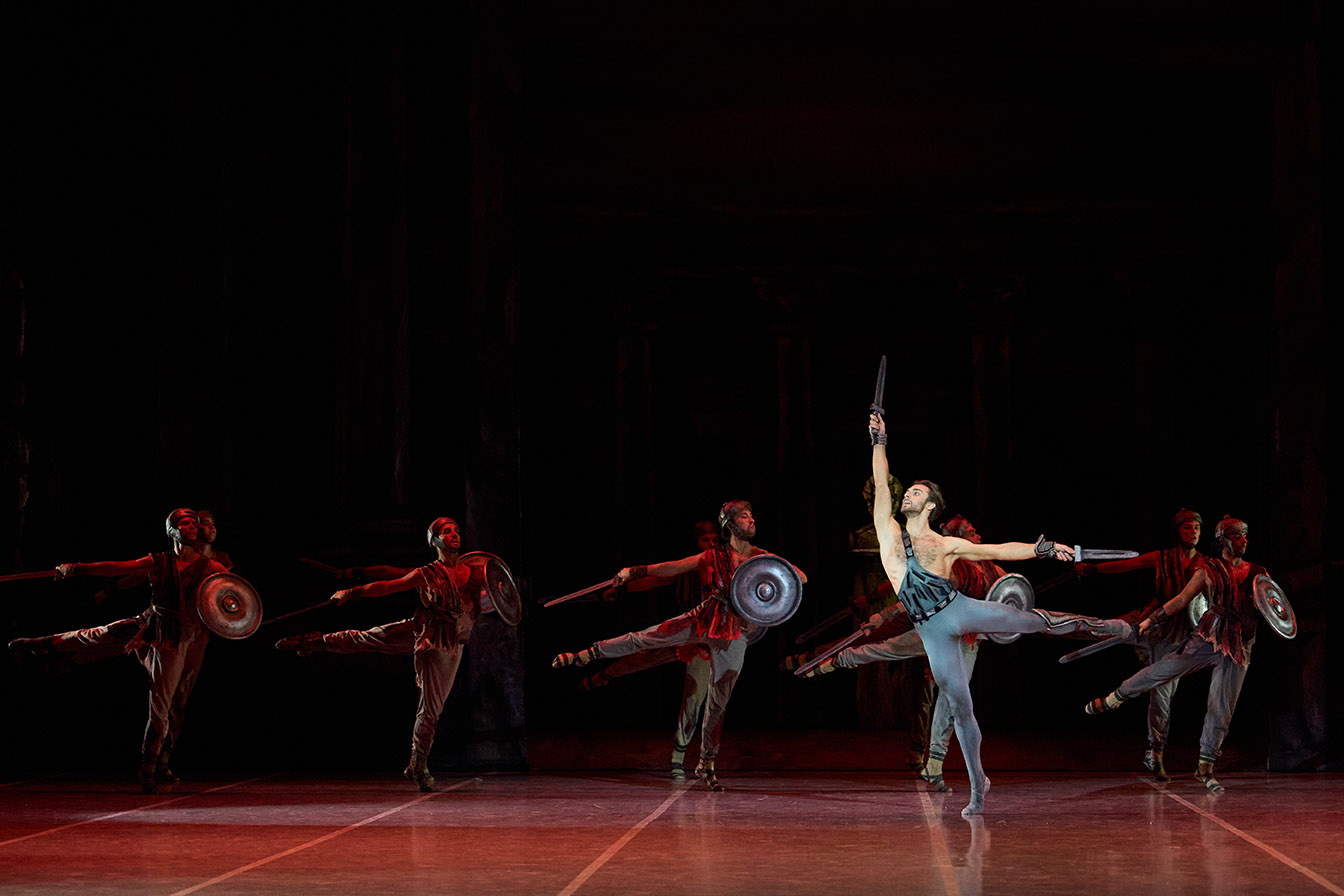
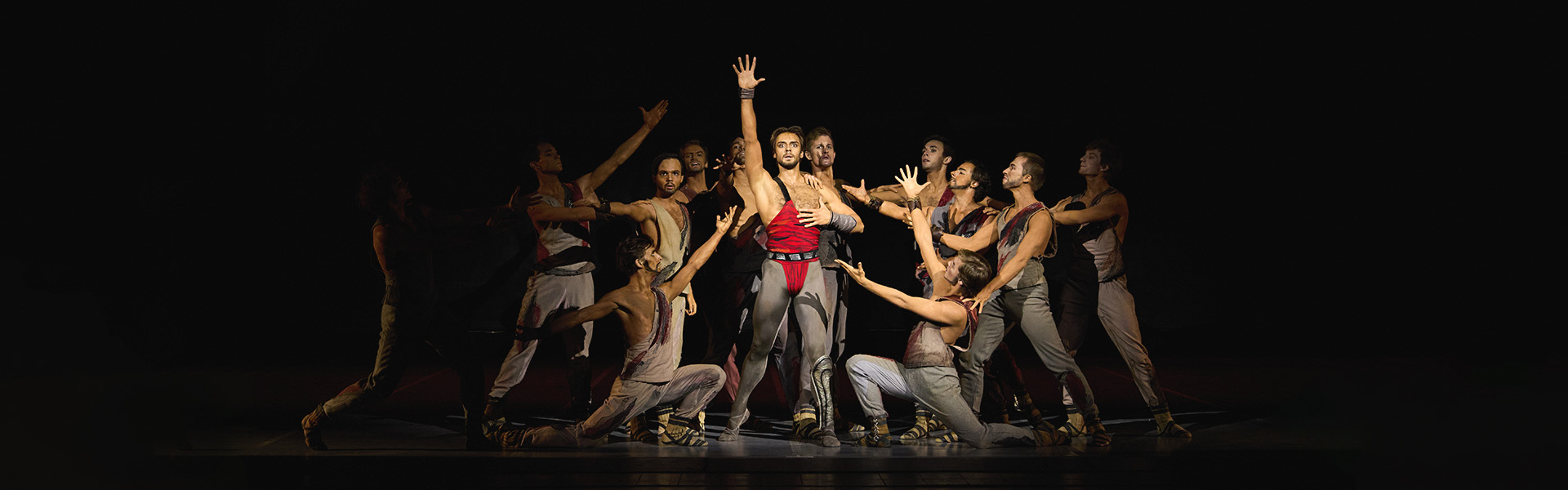
    Spartacus calls gladiators for revolt. They answer it with a fidelity oath, and in a uniform rush crash out from barracks.

    ACTION THE SECOND

    Picture fifth

    "Appiyev's road”

    The Spartacists who escaped from captivity appeared on Appiyevaya Road among shepherds, urge to join the risen. Shepherds and the people proclaim Spartacus the leader.

    Monologue of Spartacus

    He is concerned by destiny of Phrygia. It isn't left by memories of darling. Thoughts of Spartacus are directed to it.

    Picture sixth

    "Crassus's country house"

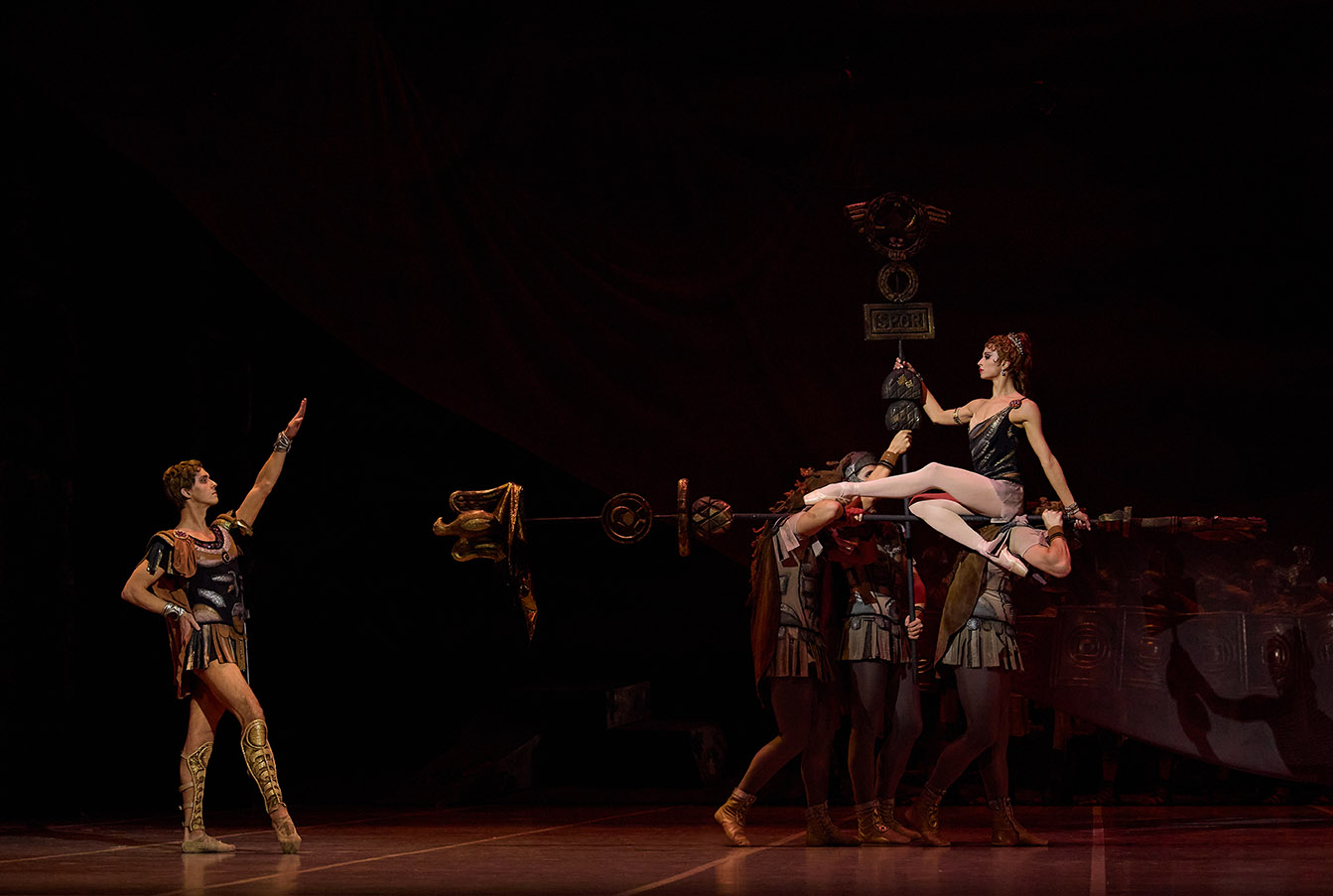
    Searches of Phrygia bring Spartacus on Crassus's country house. The pleasure of a meeting of lovers is great. But the arisen procession of patricians led by Aegina forces them to disappear.

    Aegina's monologue

    She dreams to seduce and subordinate herself Crassus long ago. It should win it and lawfully to enter the world of the Roman nobility.

    Picture seventh

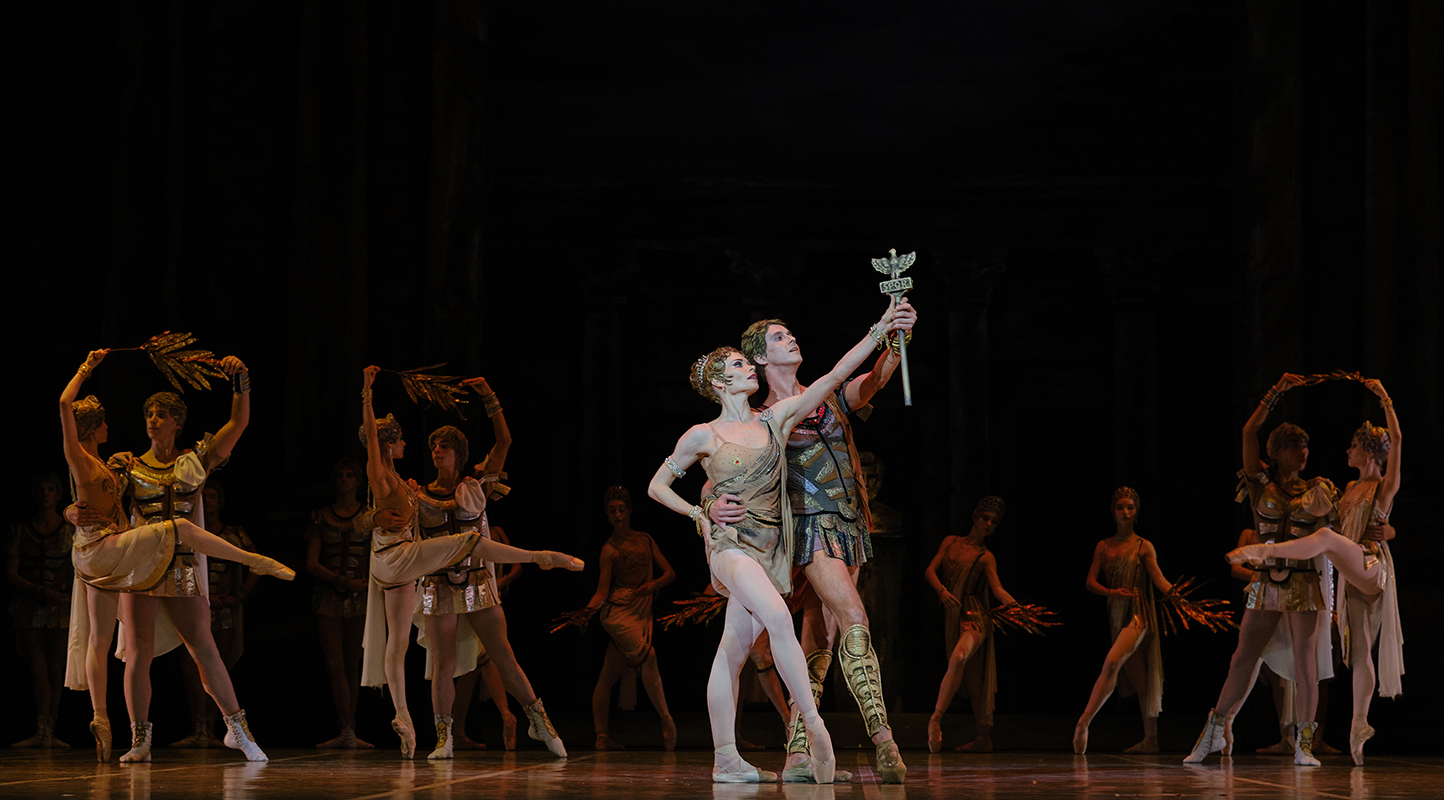
    "A feast at Crassus"

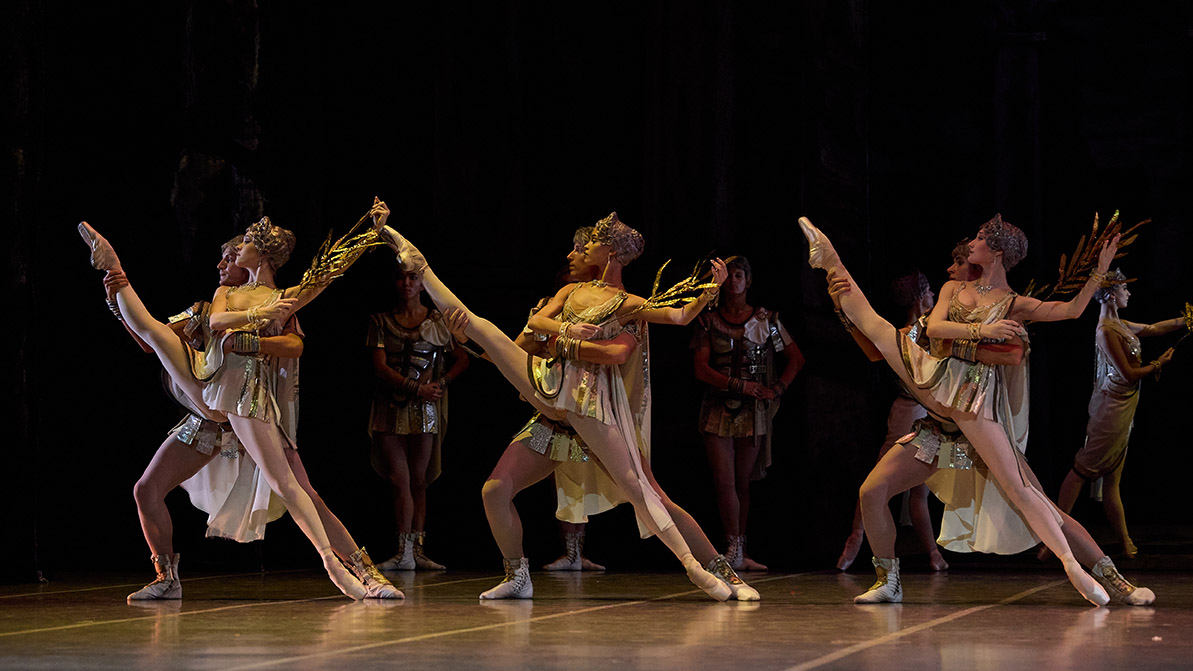
    Crassus celebrates the victories. Patricians glorify it. At the height of a feast the terrible message rushes — Spartacists surround a country house. In a panic guests run up. Crassus and Aegina will fly in terror. On a country house Spartacus rushes.

    Monologue of Spartacus

    Victory! It inspires him, filling with belief in revolt force. Victory!

    Picture eighth

    "Victory of Spartacus"

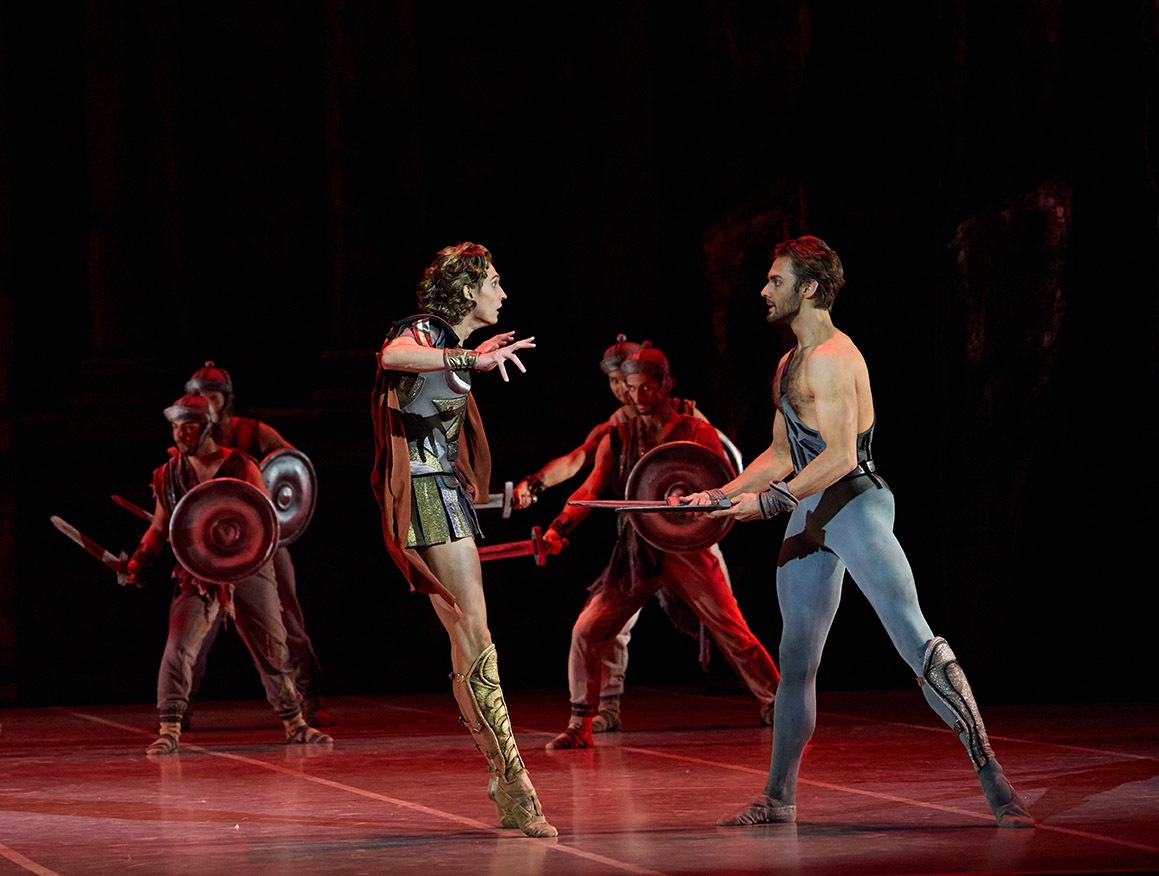
    Spartacists seized Crassus, they are ready to kill him, but Spartacus doesn't want punishment, he offers an honest duel. Crassus accepts a call and suffers a defeat — Spartacus beats out a sword from his hands. Crassus is defiantly ready to meet death, but Spartacus drives him away, and despises. Let all learn about its shame. The exulting insurgents glorify a victory of Spartacus.

    ACTION THE THIRD

    Picture ninth

    "Crassus's revenge"

    Crassus is tormented with the endured shame. Aegina calls it for vengeance. A choice one — death to risen. Crassus collects legions. Aegina addresses him on a victory.

    Aegina's monologue

    For her Spartacus is too the enemy. Crassus's defeat — it is and her death. Aegina plans the artful plan — to seed contention in camp of Spartacus.

    Picture tenth

    "Camp of Spartacus"

    Spartacus is happy with Phrygia. Unexpectedly commanders bring a message about approach of big army of Crassus. Spartacus suggests to accept battle. But many of them show cowardice and shamefully abandon the leader.

    Monologue of Spartacus

    He has presentiment of the tragic end of the forthcoming fight. But for the sake of freedom he is ready to offer life. The Spartacists faithful to him are ready to go into battle for the leader.

    Picture eleventh

    "Decomposition"

    In camp of the traitors who broke away from Spartacus Aegina makes the way, together with courtesans she tempts with wine and erotic dances of the traitors who forgot about danger. Having trapped them, she betrays them to Crassus.

    Crassus's monologue

    He  is executed revenges. Death will pay Spartacus for humiliation which he endured.

    Picture twelfth

    "The last fight"

    Legionaries surround Spartacists. In unequal fight the friends betrayed to Spartacus perish. It to the last breath fearlessly conducts a battle, but legionaries squeeze a ring round wounded Spartacus and crucify him on copies.

    Requiem

    Phrygia finds on the battlefield a body of the killed Spartacus. She mourns it, her grief is inconsolable. Stretching hands to the sky, she appeals to imperishable memory of the hero...

  • Theatre

    • About
    • Troupe
    • Administration
    • Contacts
    • Результаты НОК
  • Reperoire

    • Opera
    • Ballet
    • For kids
    • Coming soon
    • Our guests
    • Concerts
  • Events

    • News
    • Festivals
    • Video
  • ВКонтакте
  • Telegram
  • Одноклассники
  • Max

Krasnoyarsk State Opera and Ballet Theatre © 2003-2026 All rights reswerved.
Buy tickets: +7 (391) 227-86-97 10AM — 8PM daily, no days off,
lunch break 2-2:30PM
Krasnoyarsk, Perensona str, 2

Яндекс.Метрика Website by : Vaviloff&Quindt
Наверх
×

Наш сайт использует файлы cookie для улучшения качества обслуживания, на нём установлено программное средство Яндекс.Метрика. Продолжая работать на нашем сайте, вы подтверждаете свое согласие на обработку файлов cookie